




20 Nov How Can I Calm My Nervous System? Simple Ways to Manage Stress and Support Digestion
The holiday season is supposed to be a time for connection, celebration, gratitude, and togetherness. 🍂
But for many people, November and December can also bring something else: more stress.
There are schedules to coordinate, meals to plan, gifts to buy, family dynamics to navigate, travel arrangements to make, deadlines to meet, and routines that can quickly fall apart.
Then add disrupted sleep, heavier meals, less movement, and fewer moments of quiet.
It is no wonder your body may start feeling overwhelmed.
When stress becomes persistent, your nervous system can remain in a heightened state for longer than you would like. That can influence sleep, digestion, appetite, mood, energy, and your ability to recover.
The good news is that calming your nervous system does not necessarily require an hour-long meditation session or a complete lifestyle transformation.
Small, consistent practices can help create more opportunities for your body to shift toward rest, recovery, and regulation.
This November, Thrive Functional Wellness is focusing on nervous system and gut-brain harmony with a simple message: Calm the System, Strengthen the Core.
What Happens to Your Body When You Are Stressed?
Stress is a normal biological response.
When your brain perceives a challenge or threat, your body activates systems that help you respond. The sympathetic nervous system contributes to the familiar “fight-or-flight” response, while the hypothalamic-pituitary-adrenal, or HPA, axis helps coordinate the release of hormones including cortisol.
These responses are not inherently bad.
In fact, they are essential. They help you wake up, respond to challenges, focus your attention, and mobilize energy when needed.
The problem is what happens when stress becomes constant and your body gets too few opportunities to recover.
Persistent stress can be associated with changes in sleep, appetite, digestion, mood, and energy. Stress can also influence eating behavior, with some people experiencing increased appetite or cravings while others may eat less or skip meals.
Think of your nervous system as constantly responding to the environment around you.
The goal is not to eliminate every stressor.
The goal is to build resilience and create regular opportunities to return to a calmer state.
What Is the Vagus Nerve and Why Does It Matter?
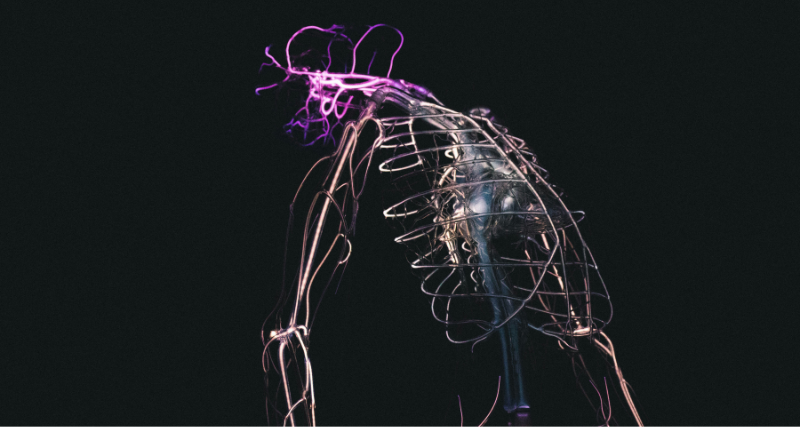
You may have heard the vagus nerve mentioned when talking about nervous system regulation. It is a major part of the parasympathetic nervous system and helps connect the brain with organs throughout the body, including the digestive tract.
Often associated with the body’s “rest and digest” functions, the parasympathetic nervous system works alongside the sympathetic nervous system to help the body respond to changing demands.
Because the gut and brain communicate in both directions, nervous system activity can influence digestion, while signals from the digestive system can affect the brain. This is one reason stress can sometimes show up in your stomach.
How Can I Activate My Parasympathetic Nervous System?
You may have seen complicated lists of techniques for “activating the vagus nerve.”
You do not need to do everything at once.
Instead, focus on simple practices that help you slow down and create moments of calm.
🌬️ Practice slow breathing
Take several slow, comfortable breaths.
You do not need to force an exaggerated breath or hold your breath for long periods. Simply slow down your breathing and allow your body a moment to pause.
Try using slow breathing before meals, during a stressful transition, or before bed.
🍽️ Pause before eating
Instead of eating while standing at the kitchen counter or scrolling through your phone, take a moment to sit down and breathe.
This creates a small transition between “go mode” and mealtime.
🌳 Get outside
A short walk outdoors can combine movement, fresh air, natural surroundings, and a break from whatever was demanding your attention.
It does not have to be a long hike.
Even a few minutes can create a useful transition in your day.
👣 Try grounding techniques
When your mind is racing, bring your attention back to your surroundings.
Notice what you can see.
Listen to the sounds around you.
Notice how your feet feel against the ground.
Pay attention to your breathing.
Grounding is not about making stress disappear. It is a way of shifting your attention away from spiraling thoughts and back toward the present moment.
😴 Protect your sleep
Your nervous system needs recovery.
Try to keep your sleep and wake times relatively consistent, create a calming evening routine, and reduce unnecessary stimulation before bed.
🚶 Move your body
Movement can be an important part of stress management.
Walking, strength training, stretching, recreational activities, and other forms of exercise can support overall physical and emotional well-being.
Choose movement that is sustainable for you rather than treating exercise as another source of pressure.
🕯️ Create transition rituals
Your nervous system may benefit from clear signals that one part of your day is ending and another is beginning.
A short walk after work, changing clothes when you get home, taking a shower, making tea, or spending five quiet minutes before bed can become a simple transition ritual.
The practice does not have to be complicated.
Consistency matters more than perfection.
Why Does Stress Make Me Want to Eat?
Have you ever had a difficult day and suddenly found yourself reaching for something sweet or salty even though you were not physically hungry?
You are not alone.
Stress and eating behavior are connected, although the relationship is complex and varies from person to person. Research suggests that stress can influence appetite and eating behavior, but not everyone responds to stress in the same way.
Sometimes food becomes a source of comfort, distraction, pleasure, or temporary relief.
This is where emotional eating can enter the picture.
The problem is that telling yourself to simply “have more willpower” does not address why the behavior is happening.
Instead, consider asking:
👉 Am I actually hungry?
👉 When did I last eat?
👉 Am I tired?
👉 Am I overwhelmed?
👉 Do I need a break?
👉 Do I need connection?
👉 Am I using food to soothe an emotion?
There is no shame in recognizing emotional eating. Awareness is a starting point.
Once you understand what is driving a pattern, you can begin looking for other ways to meet the underlying need.
Can Stress Affect Digestion During the Holidays?
Absolutely.
Holiday stress can create the perfect combination of factors that may disrupt digestive routines.
You may be eating at different times, consuming larger meals, traveling, sleeping less, drinking less water, moving less, and experiencing more emotional stress.
Your digestive system does not operate separately from your nervous system.
The brain and gut communicate through neural, hormonal, immune, and metabolic pathways, with the vagus nerve playing an important role in this communication.
That means your holiday wellness strategy should not focus exclusively on food.
Supporting your nervous system may be just as important.
How Can I Protect My Gut and Nervous System During the Holidays?
You do not have to avoid every holiday food or turn celebrations into a restrictive diet.
Instead, focus on maintaining a few foundational habits.
🥗 Build balanced meals. Include protein, fiber-rich foods, healthy fats, and nutrient-dense carbohydrates that help create satisfying meals.
⏰ Avoid arriving at every celebration starving. Going long periods without eating can make it much harder to make intentional choices when you finally sit down to eat.
🍽️ Slow down. Give yourself time to actually experience the meal instead of eating as quickly as possible.
💧 Stay hydrated. Keep water accessible throughout busy days, especially when traveling or spending time in heated indoor environments.
🚶 Keep moving. A walk after a meal or a few minutes of movement during a busy day can help you maintain your normal routine.
🧘 Build in small pauses. A few minutes of breathing, stretching, quiet time, or stepping outside can be more realistic than waiting for a completely stress-free afternoon.
❤️ Give yourself permission to step away. If a conversation or environment becomes overwhelming, taking a short break can be a healthy form of self-care.
🌿 Return to your routine. After a celebration, simply return to your normal meals, movement, hydration, and sleep schedule. You do not need to compensate with extreme restriction or punishment.
The holidays are not something you need to “survive.”
They can be an opportunity to practice flexibility while still taking care of yourself.
What Is the Difference Between Stress Relief and Nervous System Regulation?
Stress relief and nervous system regulation are related, but they are not exactly the same thing.
Stress relief often means doing something that helps you feel better in the moment.
Nervous system regulation is a broader concept involving your body’s ability to respond to challenges and transition between different physiological states.
Think about it this way:
👉 You cannot control every stressful event.
You can, however, work on how you respond to stress, how often you give yourself opportunities to recover, and which daily habits support your overall resilience.
That may include sleep, nutrition, movement, breathing practices, social connection, time outdoors, enjoyable activities, and appropriate professional support.
👉 The goal is not to feel calm every minute of every day.
The goal is to create a body and lifestyle that have room for both challenge and recovery.
When Should I Look Deeper Into Stress, Digestion, and Hormone Health?
Occasional stress is part of being human.
But persistent symptoms deserve attention, particularly when they begin interfering with your daily life.
Consider speaking with a qualified healthcare professional if you are experiencing:
🌀 Ongoing digestive symptoms despite lifestyle changes
⚡ Persistent fatigue or low energy
🧠 Brain fog that interferes with work or daily activities
😴 Ongoing difficulty sleeping
😣 A feeling that you are constantly stressed or unable to relax
🍽️ Repeated patterns of emotional eating or significant changes in appetite
🌿 Symptoms that consistently worsen during stressful periods
💭 Mood changes occurring alongside digestive problems
There can be many reasons for these symptoms.
Nutritional factors, metabolic health, hormonal changes, digestive health, inflammation, sleep, medications, stress, and other factors may all play a role.
This is where a personalized evaluation can be valuable.
What Can Functional Medicine Testing Tell Me About Stress and Digestion?
Functional medicine does not mean ordering every possible test.
The most useful testing is guided by the person’s symptoms, history, goals, and clinical picture.
Depending on the individual, an evaluation may include comprehensive bloodwork and other targeted testing related to digestive health, nutritional status, metabolic function, hormones, inflammation, or stress-related patterns.
For some individuals, additional gut-focused testing may be appropriate. For others, the most useful information may come from looking more closely at bloodwork, nutrition, sleep, stress, medications, and lifestyle.
The goal is to identify patterns and potential contributors rather than treating every symptom as an isolated problem.
At Thrive Functional Wellness, our approach looks at the bigger picture and creates personalized recommendations based on the individual rather than assuming the same strategy works for everyone.
Functional medicine services are available both in office and remotely.
How Can I Build a Calmer Holiday Routine?
You do not need a complicated wellness routine.
Try creating a simple daily rhythm:
🌞 Morning: Get natural light and give yourself a few quiet minutes before jumping into the day’s demands.
🥗 Meals: Slow down, breathe, and eat without unnecessary distractions when possible.
🚶 Afternoon: Take a short walk or movement break.
🌬️ Stressful moments: Pause for several slow breaths before reacting.
🌙 Evening: Reduce stimulation and create a predictable wind-down routine.
😴 Bedtime: Aim for consistency rather than perfection.
These small practices can help create anchors in your day, even when the holiday season becomes unpredictable.
Calm the System. Strengthen the Core.
You cannot always remove stress from your life.
But you can build habits that help you respond to it differently.
This holiday season, give your nervous system the same attention you give your nutrition, exercise, and other aspects of your health.
If stress, digestive problems, fatigue, brain fog, sleep disruption, or changes in mood are becoming persistent patterns, it may be time to look deeper.
Schedule a free phone consultation with Thrive Functional Wellness Center to explore a personalized functional medicine approach and learn more about the factors that may be contributing to how you feel.
Your body is interconnected. Your approach to health should be, too.
📞 Call us at 760-777-4177
📍 Visit us at 78370 Highway 111, Suite 285 – La Quinta, CA
📅 Schedule your Free Discovery Call

Sorry, the comment form is closed at this time.