27 Jul Creating Your Personal Stress Toolkit
Posted at 08:00h
in
Blog,
Stress
by Lorrie Rappe
Over the past few weeks, we’ve been talking about stress and the many ways it can affect our bodies during midlife.
We’ve talked about hidden stressors, calming the nervous system, grounding, nature, and movement.
And if there’s one thing I’ve learned over the years working with women — and honestly from my own life — it’s this:
Stress will always be part of life.
We can’t eliminate it completely.
Unexpected things happen. Schedules get busy. Life asks a lot of us.
But what we can do is build tools that help our bodies respond to stress in a healthier way.
I like to think of this as creating your own personal stress toolkit — simple practices you return to throughout the day that help bring your nervous system back into balance.
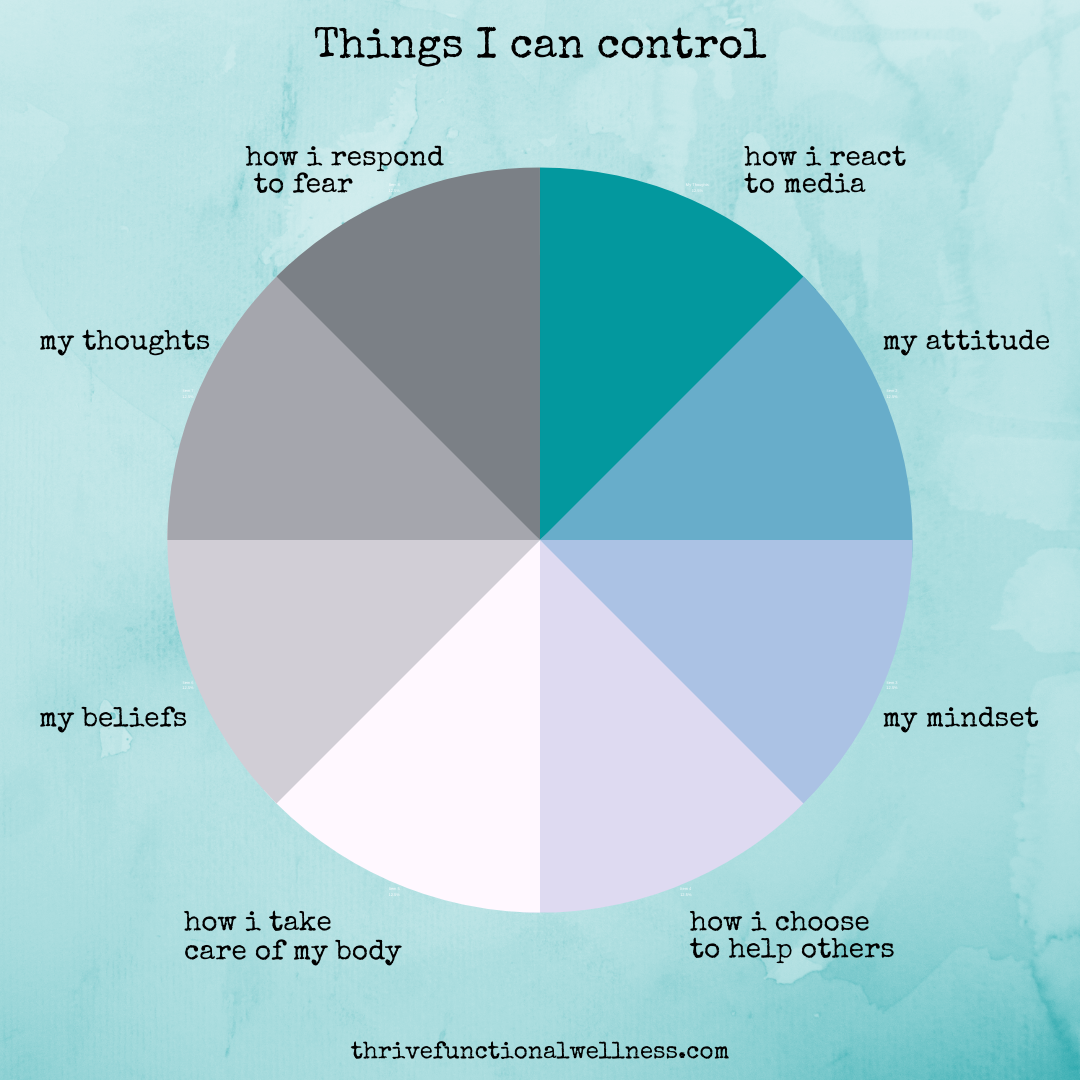
And one of the most powerful mindset shifts we can make is learning to focus on what we can control.

Focus on What You Can Control
There are many things in life that we simply cannot control.
Other people’s behavior.
Unexpected challenges.
Things that happen during the day that we didn’t plan for.
When we focus too much on those things, it can leave us feeling overwhelmed or powerless.
But there are many things that are within our control, and returning to those small daily choices can be incredibly grounding.
Things like:
- my words
• my actions
• my breathing
• my movement
• what I choose to eat
• my mindset
• how I talk to myself
• how much self-love and compassion I give myself
These simple choices may seem small, but together they create the foundation for how we move through stress each day.
When we shift our focus toward these areas, we begin reclaiming our energy and supporting our bodies in a meaningful way.
Start Your Day With Breath
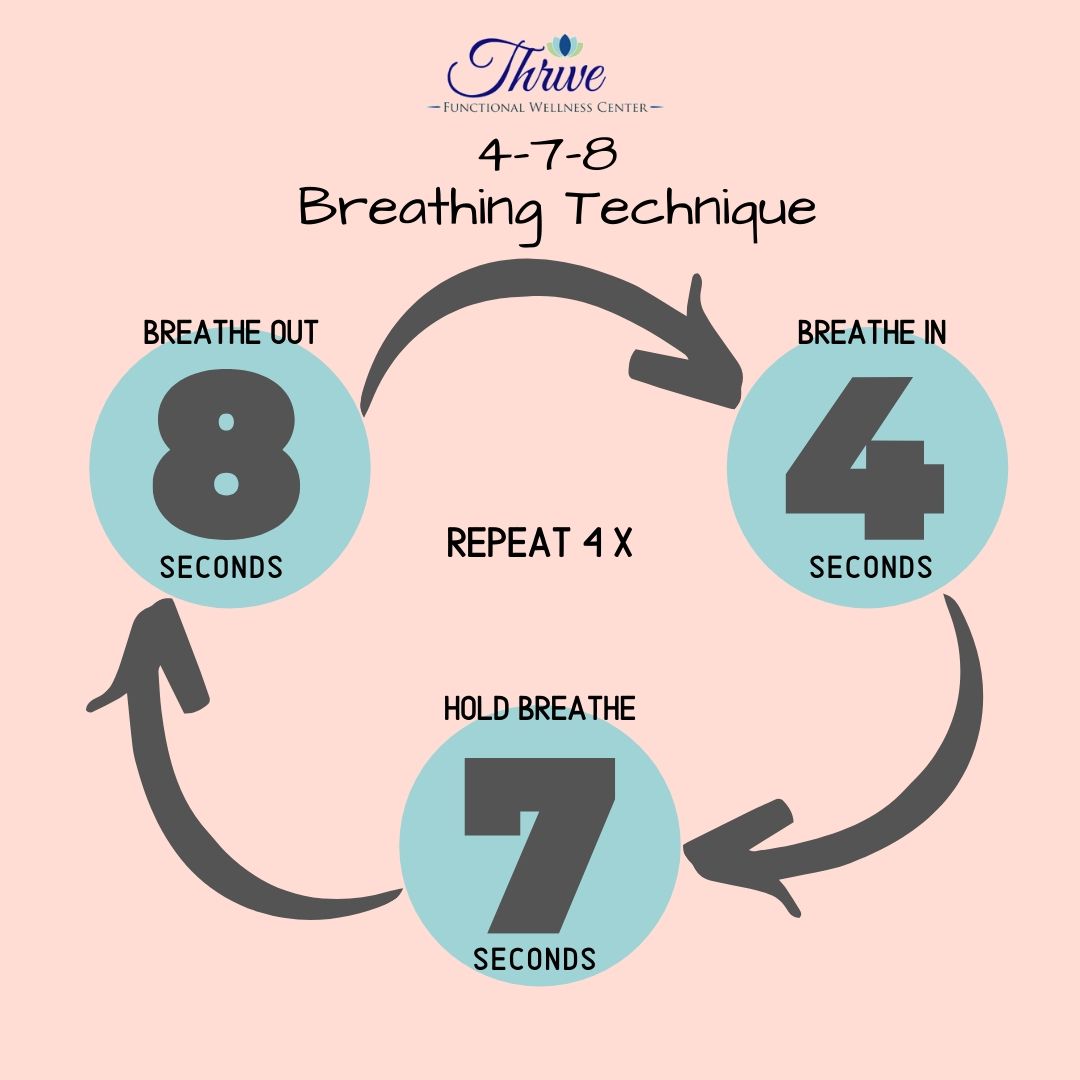
One of the most valuable practices I recommend — and something I try to do myself — is starting the day with breathwork.
Before checking your phone.
Before jumping into emails.
Before the busyness of the day begins.
Just a few slow breaths.
Sometimes I simply place one hand on my heart and one on my belly and take several slow breaths before starting the day.
This simple practice sends a powerful signal to the nervous system that it is safe to relax.
It only takes a minute or two, but it can completely shift the tone of the day.
Tools to Use During the Day
Stress can quietly build throughout the day.
Responsibilities, conversations, decisions, and unexpected situations can slowly add tension to the body.
This is where having a few simple tools in your stress toolkit can make a big difference.
You might try:
- taking three slow breaths between tasks
• stepping outside for a few minutes of fresh air
• going for a short walk
• rolling your shoulders or stretching your neck
• pausing to check in with how your body feels
These small resets help prevent stress from building throughout the day.
Create an Evening Reset
Just as important as how we start the day is how we close the day.
Many women carry the energy of the entire day into the evening.
Creating a small evening reset can help the body shift into a calmer state before bedtime.
Some simple ideas include:
- stepping outside for fresh air
• stretching your body
• journaling or reflecting on the day
• turning off screens earlier in the evening
• taking a few slow breaths before bed
Earlier this month I shared one of my favorite grounding practices — stepping onto the grass barefoot when I get home and letting the day go.
Sometimes I simply stand there for a moment and imagine clearing off the day, releasing anything that doesn’t belong to me or doesn’t serve me anymore.
That small pause helps me transition from the busy part of the day into a calmer evening.
Build Your Personal Stress Toolkit
Everyone’s stress toolkit will look a little different.
The key is choosing a few simple practices that feel supportive and realistic for you.
You might start with something like this:
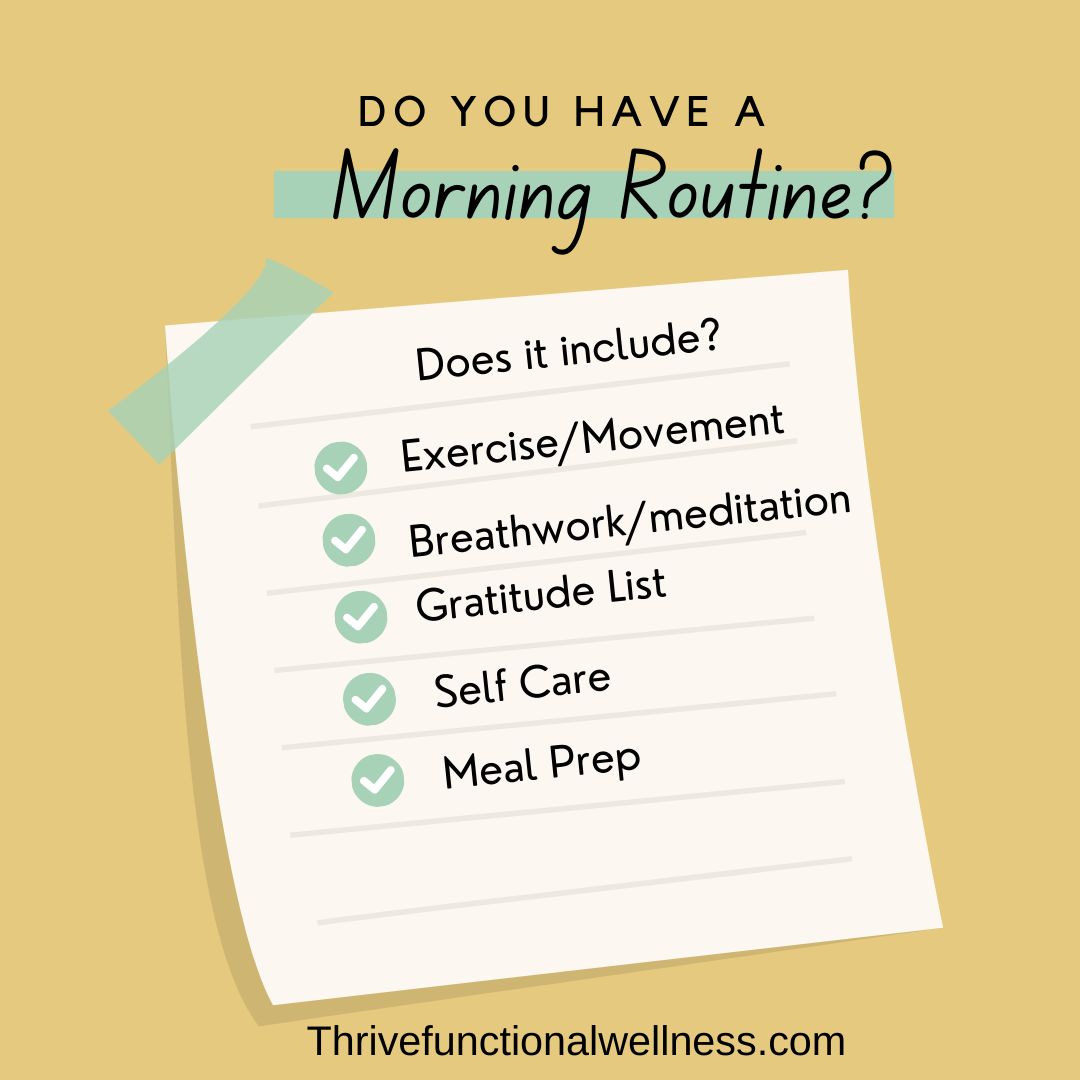
Morning
- 5–10 slow breaths
• gentle stretching or sunlight
Midday
- a short walk
• shoulder release
• pause and breathe
Evening
- step outside
• journaling or reflection
• slow breathing before bed
You don’t need to do everything.
Even one or two small habits practiced consistently can make a meaningful difference in how your body responds to stress. And remember to connect with your community!
A Final Thought
As we wrap up this month of talking about stress awareness, I hope you remember something simple but powerful:
Your body is always communicating with you.
And when you focus on the small things you can control — your breath, your movement, your mindset, and the way you care for yourself — you give your body the support it needs to stay balanced.
Sometimes the most powerful tools are also the simplest ones.
Take the Next Step Toward Heart Health 💥
Book a Free Call with Thrive Functional Wellness.
In office patients can pair functional care with chiropractic or laser services, while remote clients receive the same in depth testing and personalized support. Be sure to explore our Amazon storefront for practitioner recommended wellness tools.
📞 Call us at 760-777-4177
📍 Visit us at 78370 Highway 111, Suite 285 – La Quinta, CA
📅
Schedule your Free Discovery Call and book your Inflammation Testing today




Sorry, the comment form is closed at this time.